Ladders are essential tools in many workplaces and households, but like any piece of equipment, they require regular maintenance to remain safe and functional. Proper ladder maintenance not only extends its lifespan but also ensures that it remains safe to use, minimising the risk of accidents. Whether you use a step ladder, extension ladder, or multi-purpose ladder, taking a few simple steps to care for it can make a big difference.
Here are some key tips on how to maintain your ladder and keep it in top condition for years to come.
Dust, dirt, grease, and other debris can accumulate on a ladder over time, which can affect its grip and stability. Regularly cleaning your ladder is the first step in its maintenance routine. Use a soft cloth or sponge to wipe down the ladder’s surface, removing dirt or grime from the rungs, side rails, and feet.
For ladders used in industrial or outdoor environments, it’s especially important to clean them after exposure to harsh elements like mud, oil, or chemicals. This will not only help maintain its appearance but also prevent corrosion or damage to the materials. For fibreglass ladders, ensure that you avoid using harsh solvents that can damage the surface.
Before each use, it’s crucial to inspect your ladder for any visible damage or signs of wear. Check the rungs for cracks, bends, or chips, which can compromise the ladder’s strength. Ensure the side rails are intact and free from any cracks or corrosion. Pay close attention to the ladder’s feet—if the rubber is worn down or damaged, it can affect the stability and safety of the ladder.
Look for any loose bolts or screws and tighten them as needed. If the ladder has a locking mechanism (like those found on extension ladders), make sure it’s working correctly to prevent the sections from slipping. If you find any damage that could affect the ladder’s functionality, it’s best to replace it or have it professionally repaired before use.
Proper storage is a key factor in prolonging the life of your ladder. When not in use, store the ladder in a dry, cool place away from direct sunlight or harsh weather conditions. Exposure to extreme temperatures, UV rays, or moisture can weaken the materials over time. For example, fibreglass ladders can become brittle if exposed to excessive sun, and aluminium ladders can corrode when stored in damp environments.
If your ladder is too large to store indoors, invest in a protective cover to shield it from the elements. Store extension ladders in a horizontal position or securely on a rack to avoid warping or bending. For step ladders and other portable ladders, consider hanging them off the ground to prevent any accidental falls or damage.
Many ladders, especially extension and multi-purpose models, have moving parts such as hinges or locking mechanisms. These parts can become stiff or rusted over time, making the ladder harder to use and compromising its safety.
To keep everything working smoothly, lubricate any moving parts with a suitable lubricant, like silicone spray or grease. This helps prevent friction, rust, or corrosion, allowing the ladder to extend and retract easily and ensuring all mechanisms function properly. Make sure to wipe away any excess lubricant to avoid slippage on the rungs or other parts of the ladder.
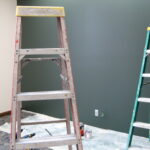
One of the most important aspects of ladder maintenance is ensuring that the ladder remains stable and safe to use. After cleaning and inspecting, set the ladder up properly before use. Make sure it’s placed on a level, firm surface. If you’re using a step ladder, ensure that the spreaders are locked in place, and if you’re using an extension ladder, double-check the locking mechanism and that the feet are in proper contact with the ground.
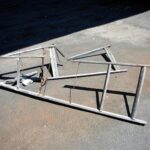
If your ladder is old and showing signs of instability, such as wobbling or unsteady footing, it’s time to replace it. Never attempt to fix a broken ladder yourself, as improper repairs can lead to dangerous accidents.
By taking the time to regularly clean, inspect, store, lubricate, and stabilise your ladder, you can significantly extend its life and ensure that it remains a safe and reliable tool for years to come. Ladder maintenance may seem like a small task, but it’s one of the best ways to avoid accidents, maximise your investment, and keep your work environment safe.
Remember, when in doubt, always consult the manufacturer’s instructions for specific care recommendations based on your ladder’s type and material. A little effort goes a long way in keeping your ladder in top shape!