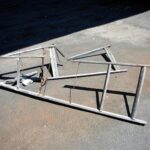
A ladder is one of, if not the most versatile piece of equipment to own. Ladders will experience wear and tear over time, whether it’s for work or home use, no ladder lasts forever. Eventually, the day will come when a routine inspection reveals your reliable ladder is no longer fit for purpose. Safety should always come first, and a damaged ladder is a serious hazard. The critical difference with ladders is that when they break, the consequences can be serious, putting your safety and the safety of others at significant risk.
That’s why regular inspections are essential to identify any issues before they escalate. While it may seem obvious, falls from height remain one of the leading causes of workplace accidents and a frequent reason for visits to Accident & Emergency departments across the UK. So, how can you tell when it’s time to replace your ladder?
But how can you tell when a ladder has reached the end of its life? What are the warning signs to watch for? Let’s explore some key indicators that your ladder needs replacing before it becomes a safety risk.
Rungs that are excessively worn, bent, or loose are a major red flag. If the tread is so worn down that it no longer provides proper grip, or if the rungs wobble, it’s time to retire your ladder. These issues could lead to slips or even a complete collapse while the ladder is in use.
The feet of your ladder are critical for ensuring stability. If they’re missing, damaged, or excessively worn, the ladder may lose traction with the ground, significantly increasing the likelihood of slipping. Damaged feet should never be ignored—your safety depends on their proper condition.


The side rails, also known as stiles, bear the weight and keep the ladder stable. If they’re dented, cracked, or beginning to bend, the structural integrity of the ladder is compromised. Continuing to use a ladder in this state could result in it buckling under pressure.
Extension ladders rely on locking mechanisms to remain secure during use. If these mechanisms are damaged, corroded, or no longer function correctly, the ladder is unsafe. Even minor issues with the locking system can increase the risk of sudden movement or collapse, making it crucial to replace the ladder without delay.
Ladder labels provide essential information, such as load capacity, intended use, and maintenance guidelines. If these labels are missing or unreadable, you can’t be certain the ladder is safe. Replace the ladder to ensure you’re using one with clear instructions and safety specifications.
Substances like paint, grease, or adhesives can reduce traction and hide critical defects or safety labels. If these contaminants can’t be removed, the ladder’s condition becomes uncertain. A ladder with obscured or compromised safety features is no longer trustworthy.
Over time, all ladders are subject to wear and tear. Watch out for:
These issues signal that the ladder has weakened and could fail at any moment. It’s far safer to replace it than to take unnecessary risks.
If your ladder shows any of these warning signs, it’s time to put it out of service and invest in a new one. Safety should never be compromised, whether you’re working at height on a job site or simply completing a task around the house. A sturdy, reliable ladder is a worthwhile investment that protects you from accidents and ensures peace of mind.