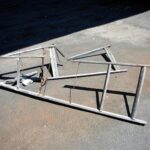
Every year, thousands of people across the UK suffer from ladder-related injuries due to incorrect ladder safety precautions, although many of which are entirely preventable. Whether you’re a professional tradesperson working on-site or a DIY enthusiast tackling home improvements, taking ladder safety seriously could prevent unnecessary accidents, or even save a life.
According to the Health and Safety Executive (HSE), falls from height remain the leading cause of workplace fatalities, accounting for 30% of all fatal injuries. Many of these incidents involve ladders. In fact, a study by the Royal Society for the Prevention of Accidents (RoSPA) found that over 6,000 people in the UK are hospitalised each year due to ladder safety-related accidents and most of them occur during seemingly routine tasks. To help you stay safe, here are five essential ladder safety tips that everyone should follow, whether you’re working on a building site or simply clearing your gutters.
One of the most common mistakes people make is using the wrong ladder for the task at hand. This increases the risk of instability, overreaching, or ladder failure. Selecting the appropriate type of ladder is crucial for both ladder safety and efficiency. For example, step ladders are best suited for low-level indoor tasks, such as painting or changing light bulbs. Their self-supporting A-frame design makes them stable on flat surfaces, but they shouldn’t be used for extended height work. For outdoor or higher-reaching tasks, extension ladders are more suitable, as they can be adjusted to the required height. Meanwhile, platform ladders offer a broader base and built-in platform, making them ideal for longer jobs where extra stability is needed.
When choosing a ladder, it’s also important to consider its weight capacity. Every ladder is designed to hold a maximum load, which includes both the person climbing and any tools or materials being carried. Overloading a ladder significantly increases the risk of structural failure. Always check the manufacturer’s guidelines to ensure the ladder can support the required weight.
It might be tempting to grab a ladder and get started immediately, but failing to inspect it beforehand is a major safety risk. Regular checks are essential to identify any faults that could lead to a fall or collapse. Even a minor defect can compromise the ladder’s stability.
Before using any ladder, take a few moments to examine it thoroughly. Look for visible damage such as cracks, bent rails, or loose rungs, as these can significantly weaken the structure. Check the ladder’s feet to ensure they are secure and free from dirt, grease, or debris, which could cause the ladder to slip. If you’re using an extension ladder, make sure the locks are functioning correctly and the sections are securely fastened.
According to the HSE, faulty ladders are a major contributor to workplace falls, making regular inspections a key part of ladder safety. If you notice any signs of damage or instability, avoid using the ladder and either repair it (if safe to do so) or replace it altogether.
When using a ladder, always ensure you have three points of contact at all times – either two hands and one foot, or two feet and one hand. This significantly improves your stability and reduces the risk of losing your balance.
A common mistake is attempting to carry tools or materials by hand while climbing, which reduces your points of contact and makes you more prone to slipping. To avoid this, use a tool belt or hoist system to transport equipment, keeping your hands free to grip the ladder securely.
Overreaching is another common hazard. It’s easy to stretch too far when trying to finish a task quickly, but this puts you off-balance. If you find yourself leaning or stretching, climb down and reposition the ladder instead. The extra time it takes is worth avoiding a potential fall.
When using an extension ladder, it’s essential to place it at the correct angle to prevent it from slipping or tipping over. The 1:4 rule is the most simple but effective ladder safety guideline: for every four metres of ladder height, the base should be positioned one metre away from the wall or vertical surface.
Positioning the ladder at this angle provides the necessary stability. If the base is too close to the wall, the ladder becomes too steep and could topple backward. Conversely, if the base is too far away, the ladder is at risk of sliding out from underneath you.
For added stability, consider using ladder stabilisers or tying the base off to a secure point, particularly when working at significant heights. On uneven or slippery surfaces, stabilisers can help prevent unwanted movement and provide extra peace of mind.
Even with proper ladder use, accidents can still happen. That’s why wearing appropriate safety gear is vital. While many people assume they don’t need protective equipment for lower-level tasks, even a short fall can lead to serious injury.
Start by wearing non-slip footwear with good grip to reduce the risk of slipping. Avoid loose-fitting shoes or sandals, which can easily catch on rungs. If you’re working at height for extended periods, a safety harness provides an extra layer of protection by preventing serious falls.
For professionals working on construction sites, helmets and gloves are essential. A helmet can protect you from head injuries in the event of a fall, while gloves provide better grip and reduce hand fatigue during longer jobs. According to RoSPA, most ladder accidents occur due to a lack of ladder safety precautions, so investing in the right gear is a small price to pay for peace of mind.
While Ladder Safety Month shines a spotlight on the importance of working at height responsibly, these principles should be followed all year round. By choosing the right ladder, inspecting it regularly, and following best practices such as maintaining three points of contact and using the correct safety gear, you can significantly reduce the risk of ladder-related accidents.
Whether you’re a professional tradesperson or a DIY enthusiast, ladder safety should never be an afterthought. Taking the time to follow proper procedures ensures you can work confidently and avoid unnecessary injuries.
If you’re looking for high-quality ladders, stabilisers, or safety accessories, visit our store to explore our extensive range of products. Prioritising safety isn’t just good practice – it’s essential for your well-being.